History & Heritage
Deep Roots: The Families Who Started It All
Some of the families farming the Santa Lucia Highlands today were here before California was a state. Some were here before California was even an idea.
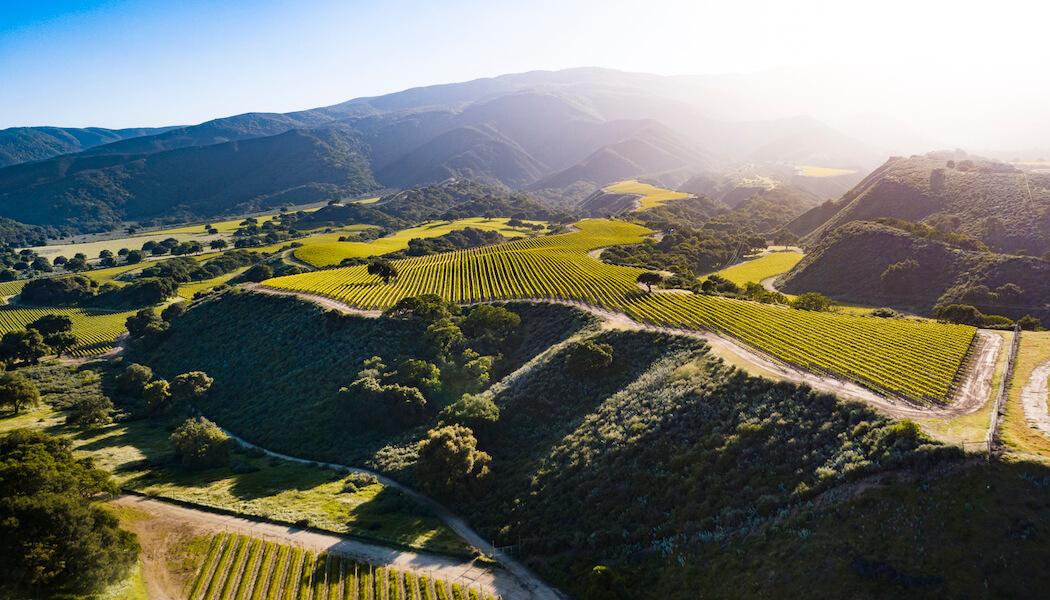
In 1769, sixteen-year-old José María Soberanes arrived in the Salinas Valley as part of the Portola Expedition — the first organized overland exploration of Alta California. He surveyed the fog-wrapped slopes of the Santa Lucia Mountains, the fertile valley floor below, and the churning Pacific coast at what would become Monterey. He never left. Married in Carmel, José Soberanes spent the rest of his life in Monterey County. His son Feliciano's bust still stands in the Soledad Mission today.
A century later, a second wave of settlers arrived — Swiss-Italian farmers, many from the Alpine canton of Ticino, who had made their way through northern California in the mid-19th century, initially as dairy farmers. Hardworking and pragmatic, they looked at the Salinas Valley and the fog-cooled slopes above it and saw exactly what the Spanish had seen before them: land worth staying for.
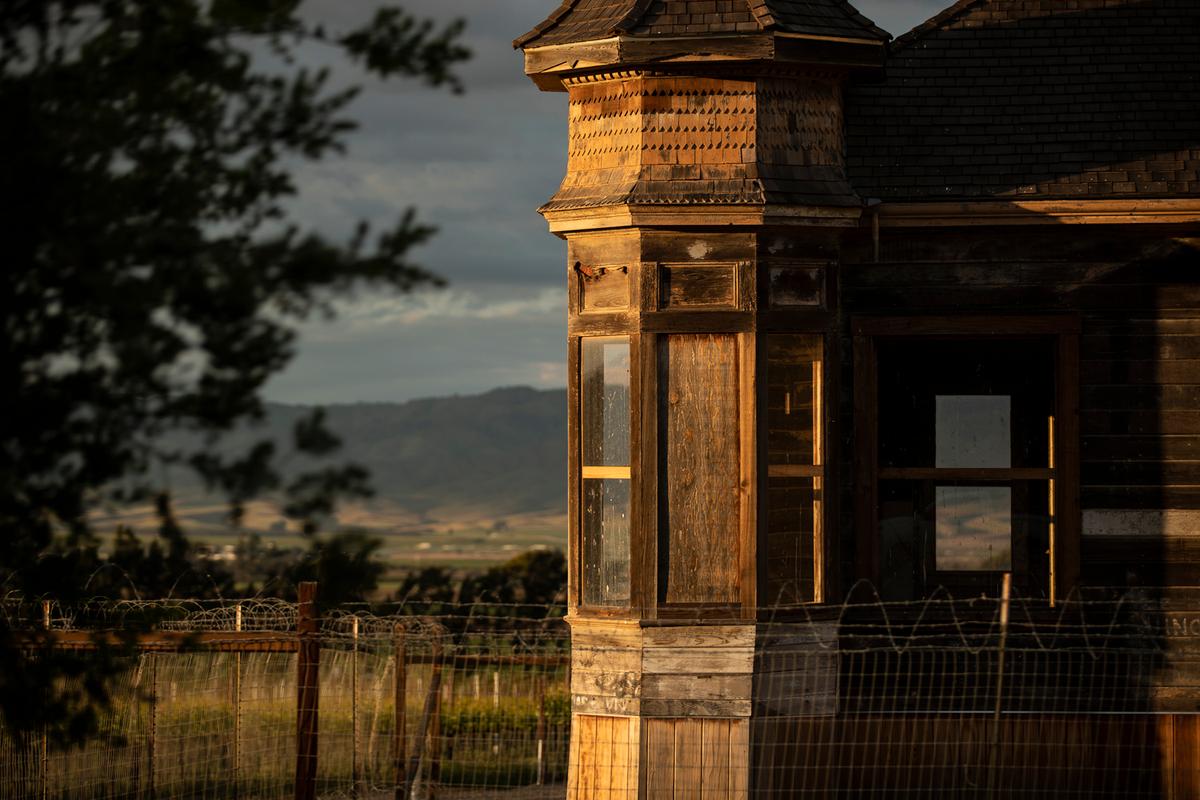
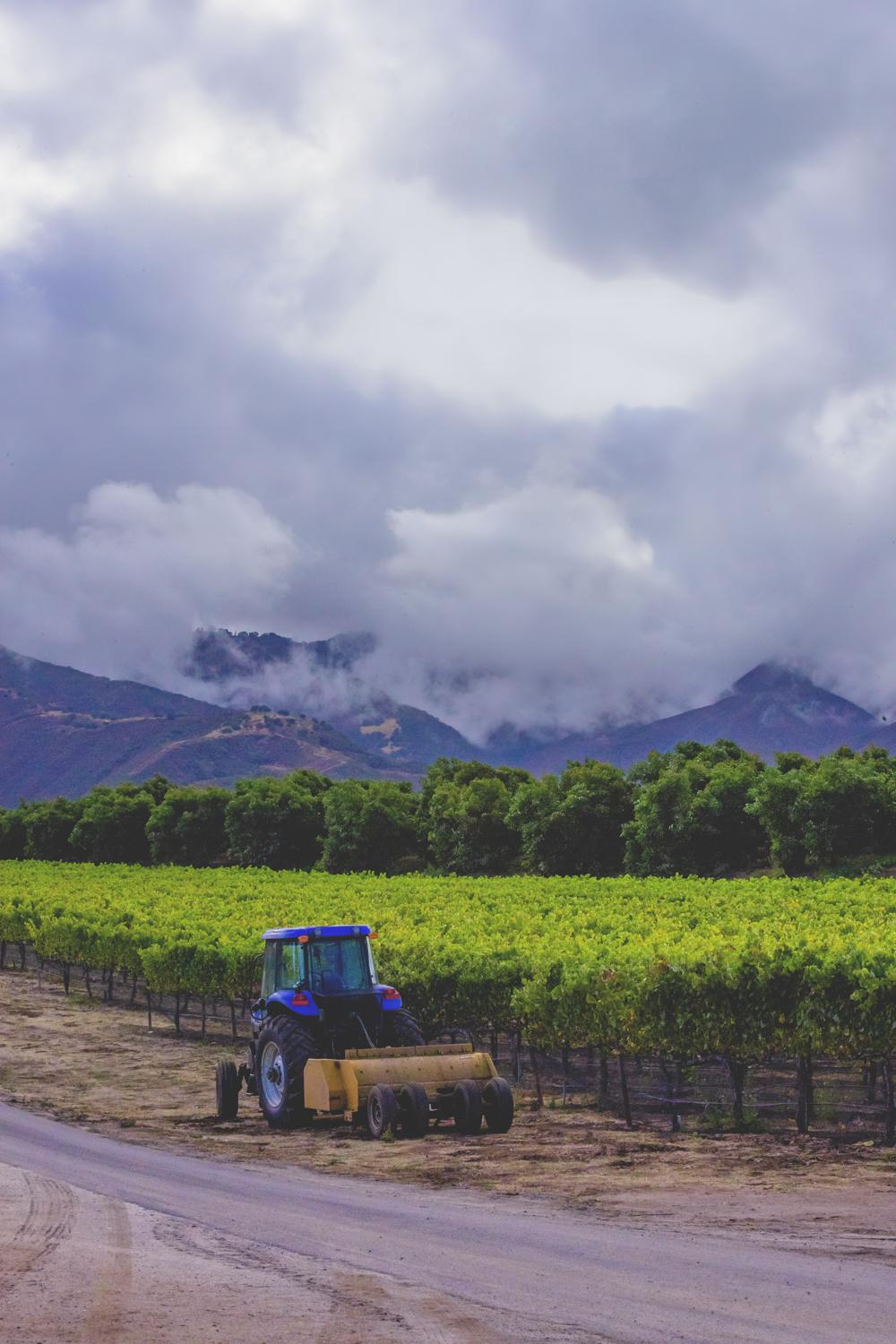
“Swiss-Italian farmers ... looked at the Salinas Valley and the fog-cooled slopes above it and saw exactly what the Spanish had seen before them: land worth staying for.”
The families they built are still here.
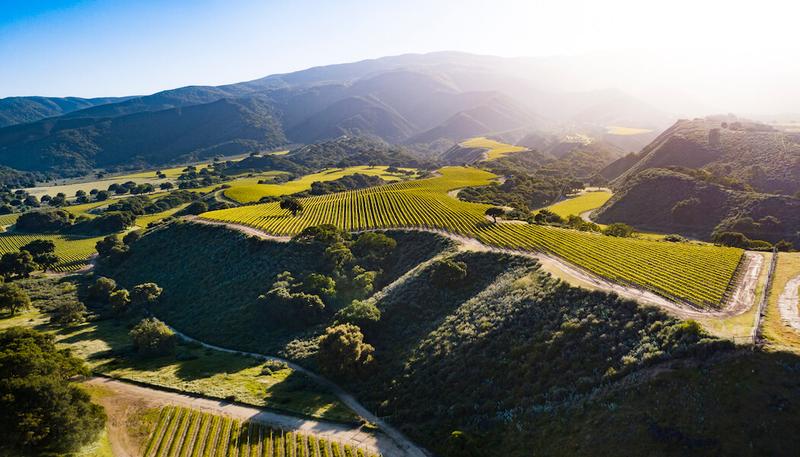
More than 250 years after José Soberanes first walked this soil, his descendants — the Bianchi family — honorably reclaimed Cortada Alta Vineyard in 2022. Third- and fourth-generation farmers Matt and Zach Panziera, grandson and great-grandson of Bob Oliver Bianchi, now manage and farm that same hillside their ancestors first surveyed as part of a colonial expedition. "Our family is so grateful to be able to passionately produce quality grapes off of the historical land from our family roots," they have said.
The Soberanes name also lives in the vineyard that Gary Pisoni and Gary Franscioni planted together — Soberanes Vineyard, established in 2006 on granitic soil above the Salinas Valley floor, just thirty miles as the crow flies from the Monterey coast José Soberanes marveled at in his own day.
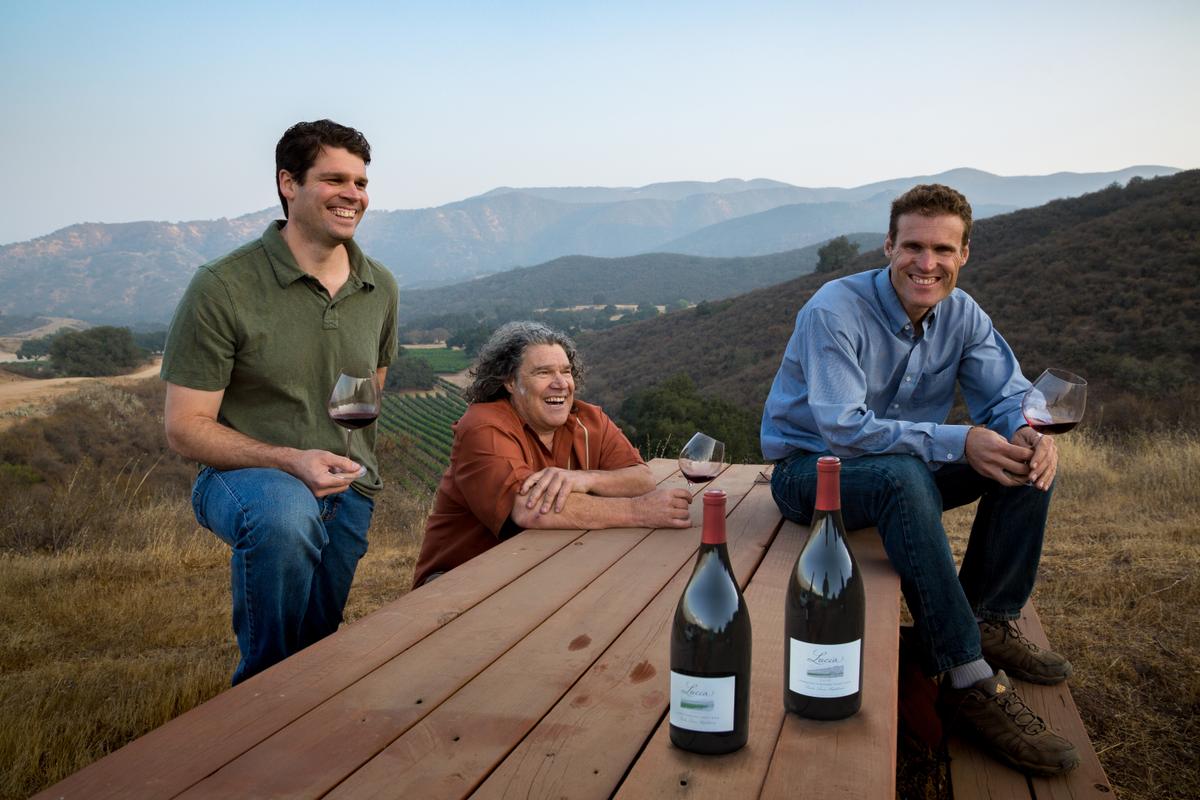
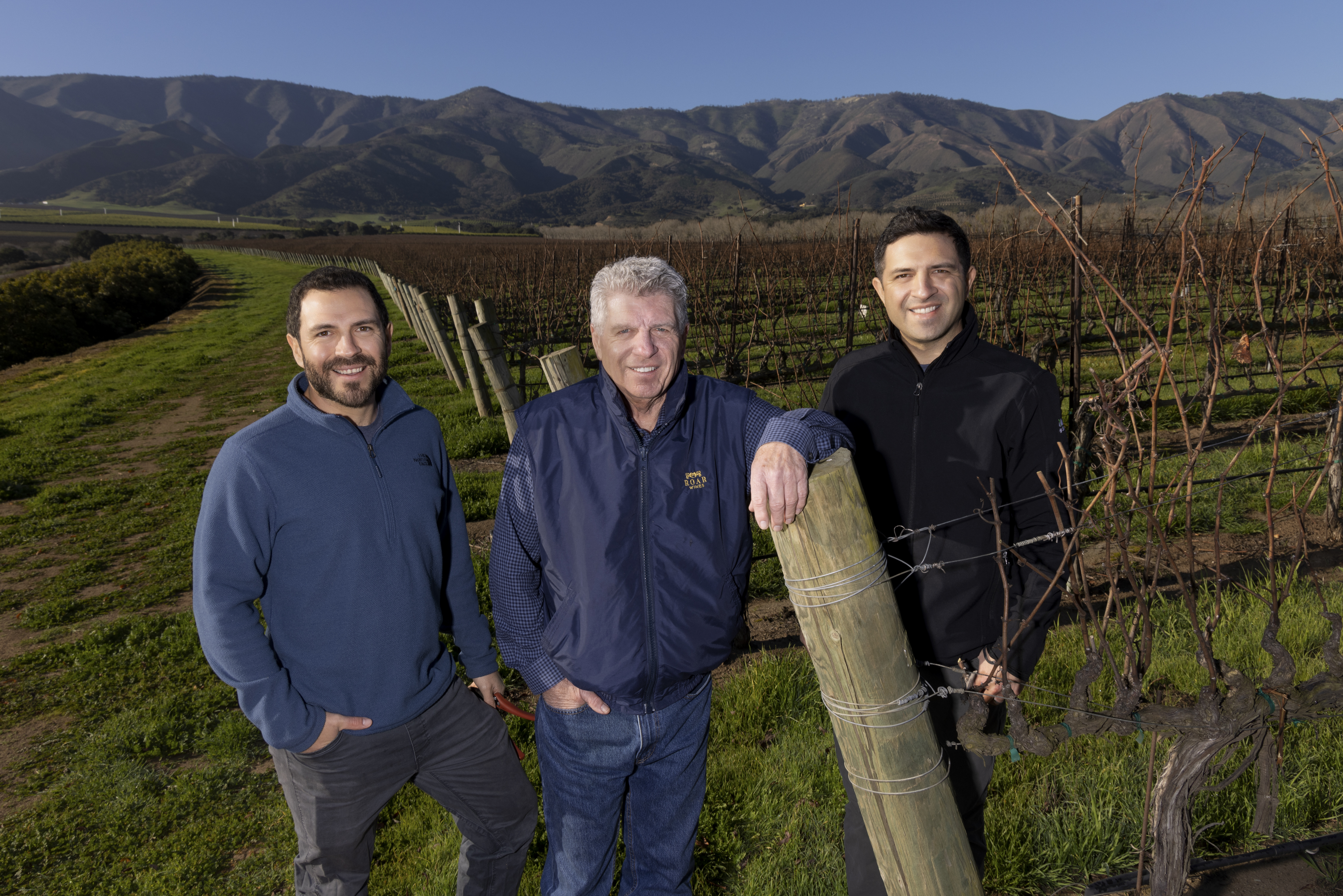
The Pisoni family story is a thread that runs through all of it. When Gary Pisoni's great-grandfather Geremiah Pura left Switzerland for California in 1868, the state was still a teenager. Geremiah's descendants — his grandson Eddie Pisoni and wife Jane — helped transform the Salinas Valley into what became known as the "salad bowl," growing lettuces and vegetables on the valley floor. Then came Gary, who had a different idea: he wanted to plant grapes on the rugged hillsides above the farm. His father vigorously opposed it. According to family lore, his mother secretly financed her son as he drilled five dry holes before finally hitting water for irrigation. In 1982, Gary Pisoni planted his first vineyard in the highlands. The rest, as they say, is Pinot Noir.
The Franscionis have been part of this landscape since the late 1880s — part of a broader diaspora of Swiss-Italian farmers, many from the Alpine canton of Ticino, who settled throughout northern California in the mid-19th century, initially as dairy farmers. Gary Franscioni, like his father before him, grew up farming alongside the Pisonis in the Salinas Valley. The two Garys' handshake agreement over a glass of Pinot Noir led to the planting of Garys' Vineyard — one of the most celebrated sites in the appellation.
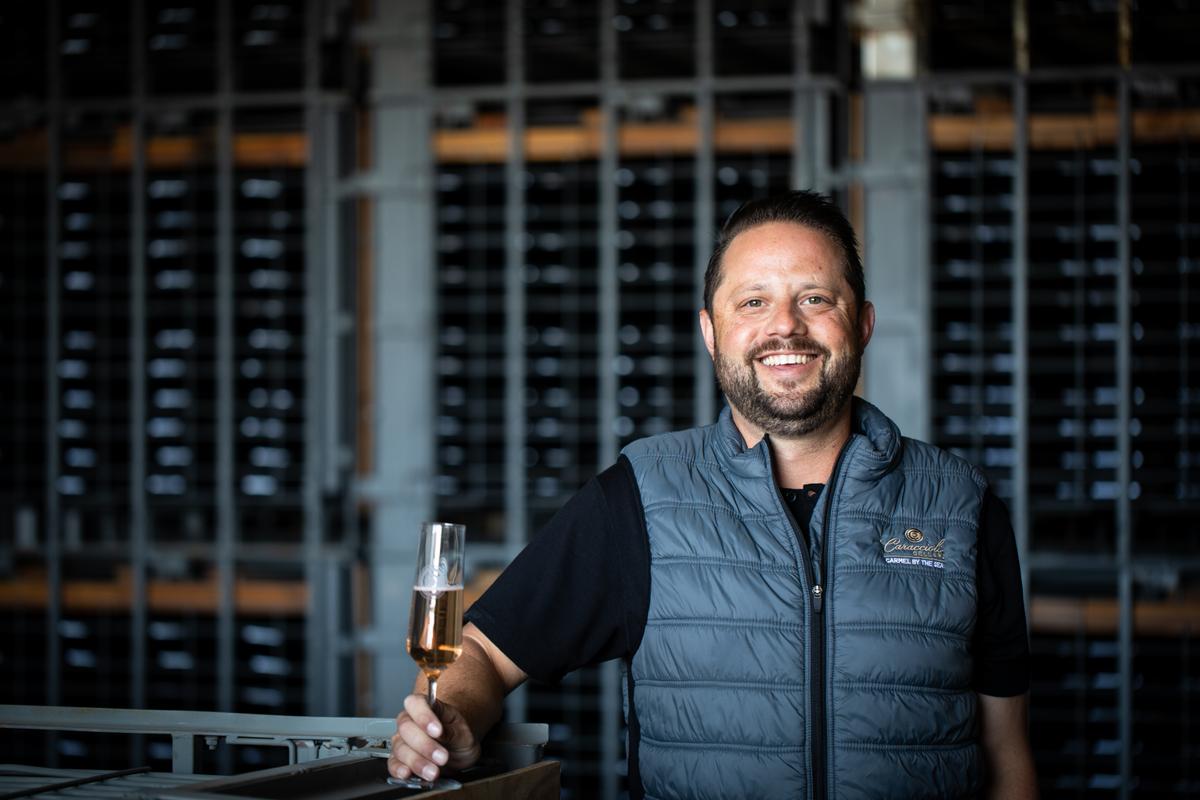
The Caraccioli family shares a similar arc. Four generations of California farming, originally as produce growers in the Salinas Valley, led Scott Caraccioli to Escolle Vineyard in the Santa Lucia Highlands — an extreme cool-climate site where Caraccioli Cellars now produces some of the region's most distinctive sparkling wines.
These families farmed row crops, raised dairy cattle, grew lettuce on the valley floor, and tended avocado groves and lemon orchards higher in the highlands before a single grape vine was planted here. That diversification wasn't a marketing strategy. It was survival — the kind of economic resilience that keeps land in a family across generations when any single crop has a bad year.
More to Discover
Terroir
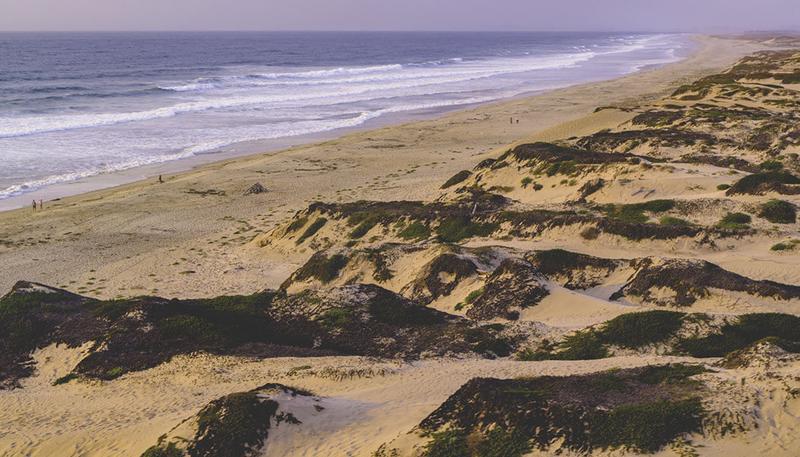
The Wind
The daily winds of Santa Lucia Highlands, which can range from 10-15 miles per hour, with some gusts up to 20 miles per hour, are as important to the character of its wines as the ground the vines...
Sustainability
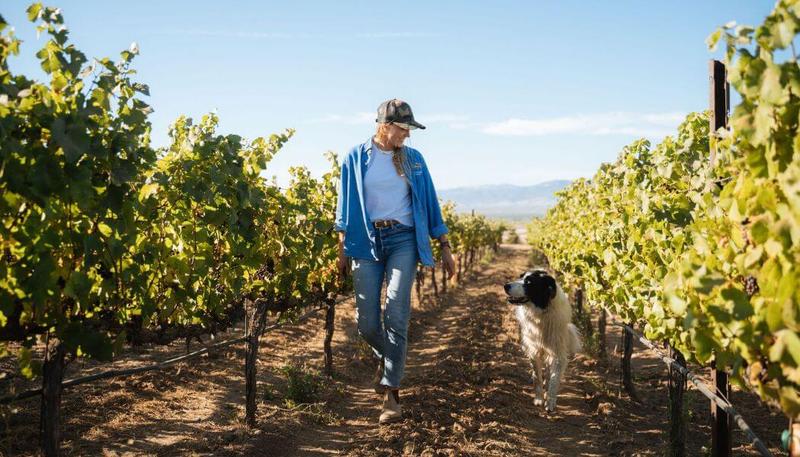
Farming Forever: How Winery Sustainability is Practiced in Santa Lucia Highlands
Some of the families farming the Santa Lucia Highlands today were here before California was a state. Some were here before California was even an idea. In 1769, sixteen-year-old José María Soberanes...
Terroir
Measuring Up
Compact and well-defined, the Santa Lucia Highlands wine growing appellation measures just 18 miles long— only one mile wide at its most narrow point and barely three-miles at its widest part.